
The DVC FPD, Prof. Josiah Aduda, addresses members of the Faculty of Built Environment and Design, during his familiarization visit.
The Deputy Vice-Chancellor for Finance, Planning and Development, Prof. Josiah Aduda, visited the Faculty of Built Environment and Design on July 1, 2026. This was part of his ongoing familiarisation tour of academic and administrative units across the University.
Prof. Aduda was received by the Dean of the Faculty, Prof. Kakumu, alongside the Chairs of Departments, who welcomed him and briefed him on the faculty's academic programmes, facilities, strategic priorities and operational activities. The engagement provided an opportunity for the Deputy Vice-Chancellor to gain deeper insight into the faculty's mandate, achievements and aspirations, as well as the challenges affecting its operations.
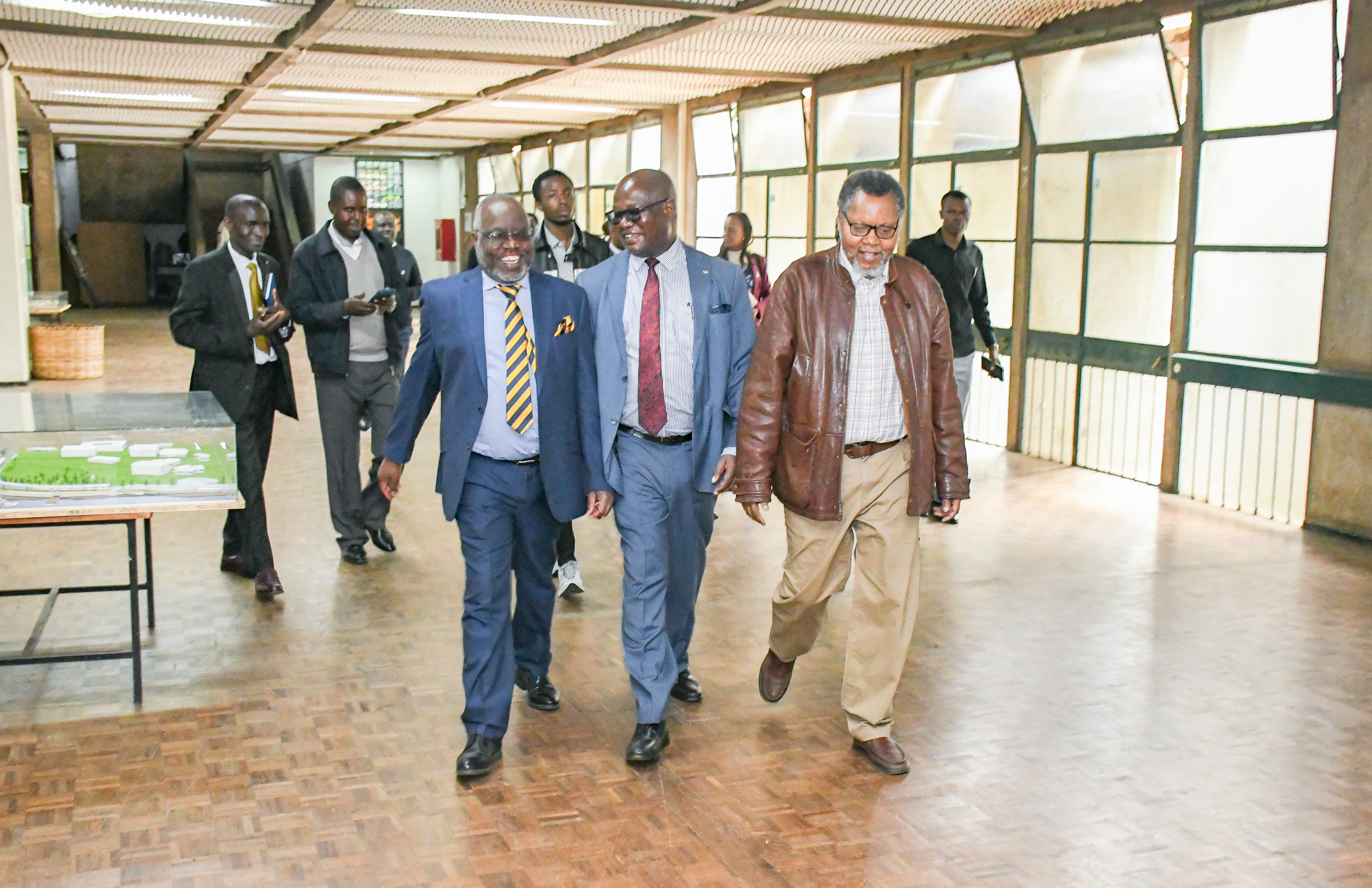
As part of the visit, Prof. Aduda toured the faculty's lecture theatres, design studios and other teaching and learning facilities to assess their condition and understand the infrastructure requirements necessary to support quality education. The inspection also enabled him to engage directly with the faculty leadership on opportunities for improving the learning environment and enhancing operational efficiency.
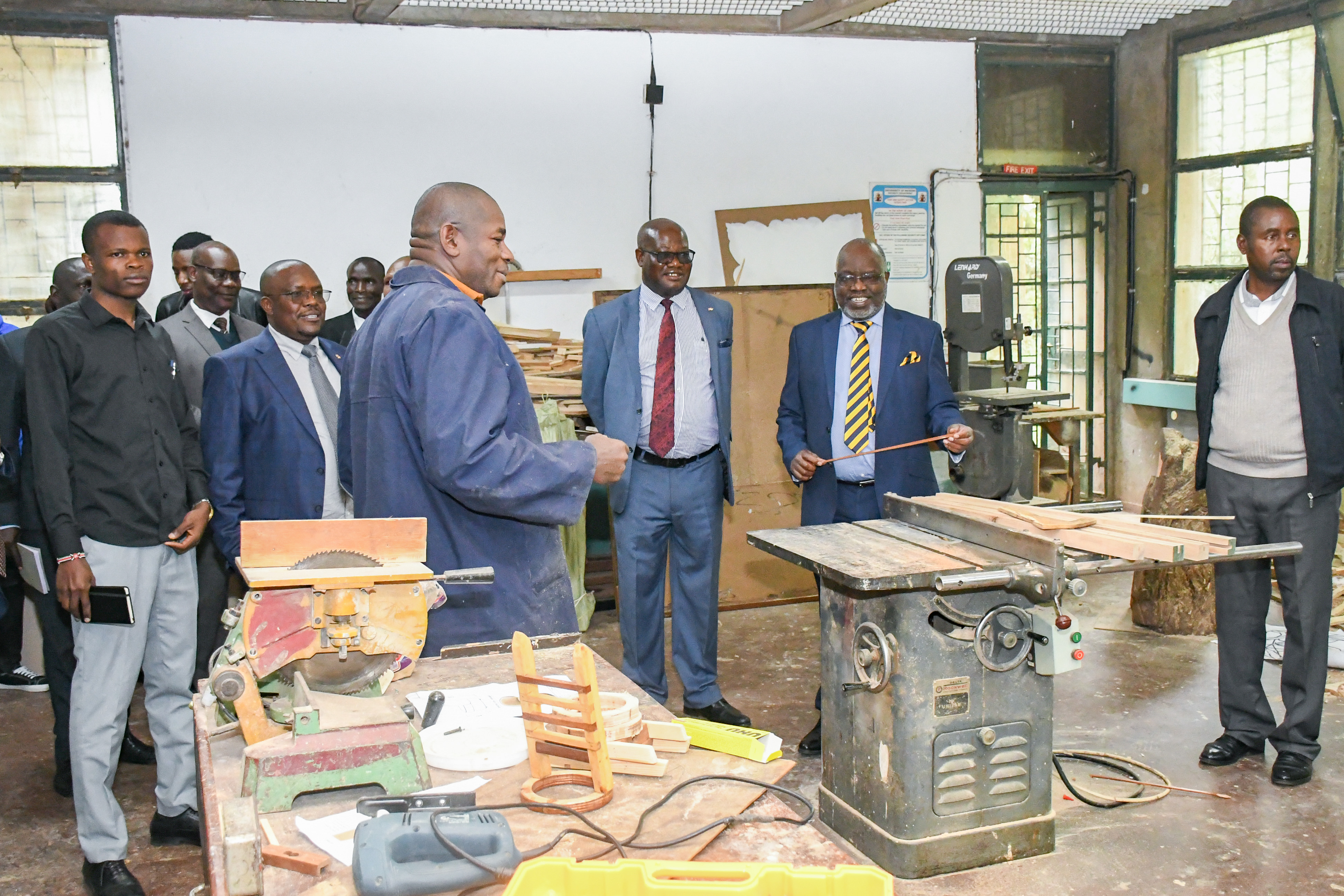
During the discussions, the faculty leadership highlighted key milestones achieved in advancing teaching, research and professional training, while outlining ongoing initiatives aimed at strengthening academic programmes and expanding the faculty's impact. They also identified priority areas requiring support, particularly in infrastructure development, modernisation of learning spaces and resource enhancement to meet the growing needs of students and staff.
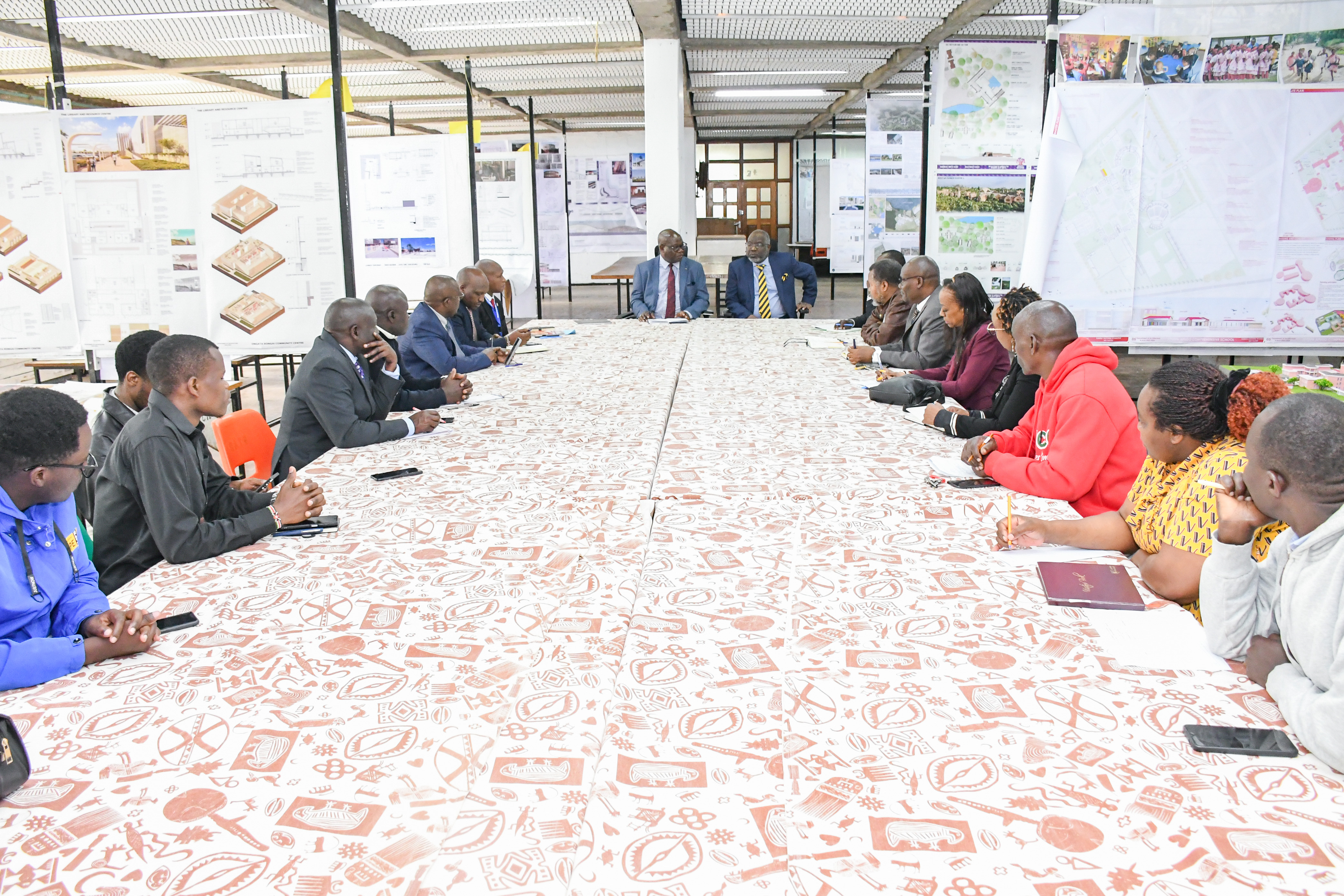
Addressing members of the faculty, Prof. Aduda reaffirmed his commitment to supporting the Faculty of Built Environment and Design in its pursuit of academic excellence. “I assure that the Division of Finance, Planning and Development would continue working closely with the faculty to address infrastructure and resource needs,” he said, noting that well-maintained and adequately equipped learning spaces are essential for nurturing innovation, creativity and excellence in built environment education.
He further emphasised the importance of collaborative planning and continuous engagement between the University's central administration and academic units to ensure that development priorities are aligned with the institution's strategic objectives and responsive to the evolving needs of students and staff.
The visit forms part of a broader familiarisation programme through which the Deputy Vice-Chancellor is engaging with faculties, schools, departments, and administrative units across the University. The initiative seeks to strengthen collaboration, enhance service delivery, improve institutional infrastructure and support informed planning and resource allocation in line with the University's strategic goals.
- Log in to post comments


